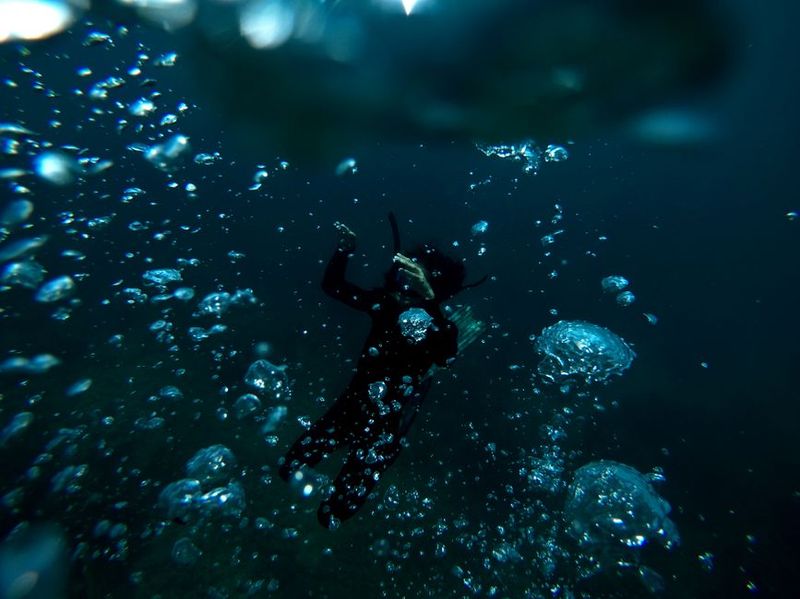
How Sound Design Built Dread in Deep Sea Titles
We trace how ambient hums, distant pings, and silence itself became the primary horror tools in a handful of underwater exploration titles from the past decade.
An editorial outpost in Suez tracking underwater exploration titles where pressure, isolation, and dread run deeper than the ocean floor.
Common questions readers send us about underwater and eerie exploration games
These are titles built around descent, isolation, and limited visibility — pressure gauges, failing lights, sonar pings — where the environment itself generates dread rather than relying solely on jump scares or combat.
Many blend genres. Some lean into survival horror, others are quieter narrative exploration pieces. What unites them is atmosphere — the sense that something vast and unknowable surrounds the player at all times.
Both, though we lean heavily indie. Smaller studios have driven much of the genre's most distinctive work, often experimenting with sound design and pacing that larger releases rarely attempt.
The subgenre is small but consistently rewarding for fans of tension over spectacle. We wanted a dedicated space to trace its history, its recurring motifs, and the developers pushing it forward.
Yes — reader suggestions shape a good portion of our coverage. If a title fits the underwater or deep-sea dread mold, send it our way and we'll consider it for an upcoming piece.
How we approach coverage of underwater and eerie exploration gaming
We stay narrow on purpose — underwater exploration and eerie atmosphere games get the depth of attention broader gaming sites rarely give them.
Many of the genre's defining moments came from small teams. We prioritize their work alongside the handful of larger releases that shaped the space.
Suggestions from our community regularly steer which titles we revisit, ensuring the archive reflects genuine fan interest, not just release-date buzz.
Our editorials focus on sound design, pacing, and pressure mechanics rather than sales figures or marketing cycles — the craft, not the campaign.
Recent editorials from our ongoing coverage of underwater and eerie exploration games
We trace how ambient hums, distant pings, and silence itself became the primary horror tools in a handful of underwater exploration titles from the past decade.
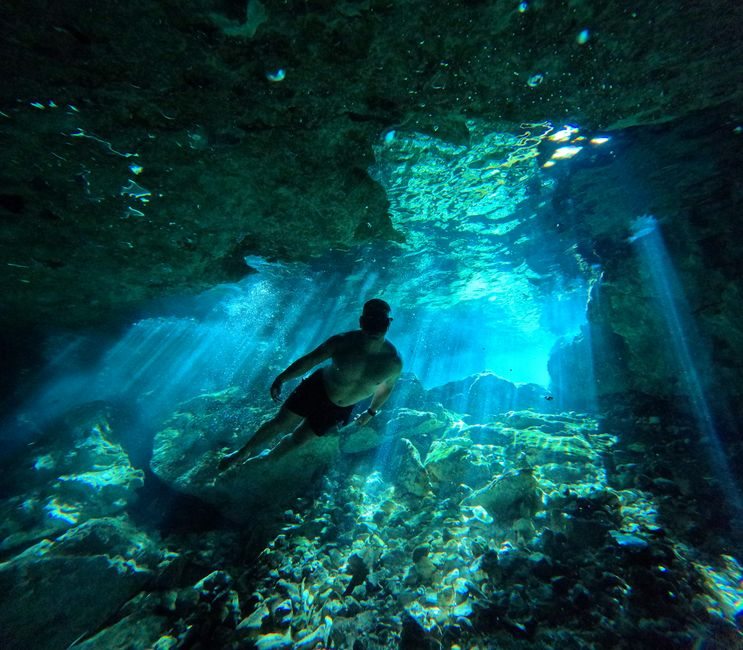
A look at three lesser-known developers building narrow, atmosphere-first underwater games, and why their limited scope often works in their favor.
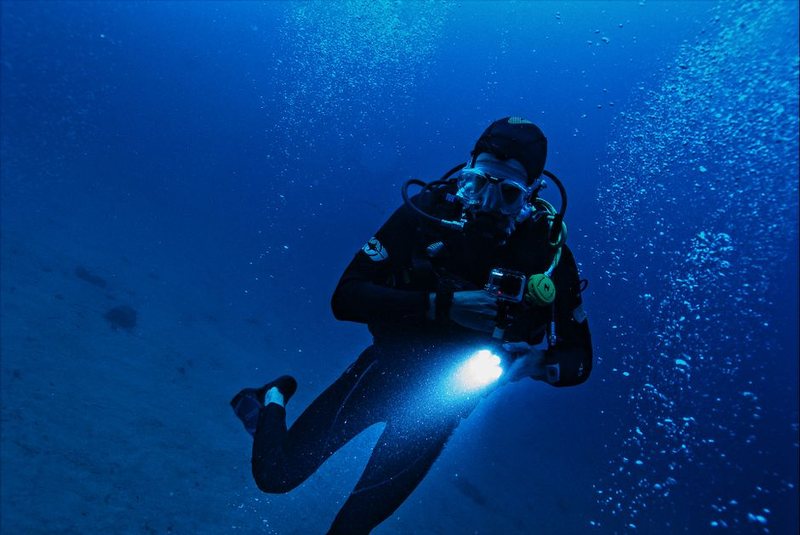
Some of the genre's most unsettling moments come from what players can't see. We break down mechanics that use fog, silt, and darkness over creature design.
Before recent indie hits, a small number of early releases experimented with submerged settings. We map the lineage and what carried forward.
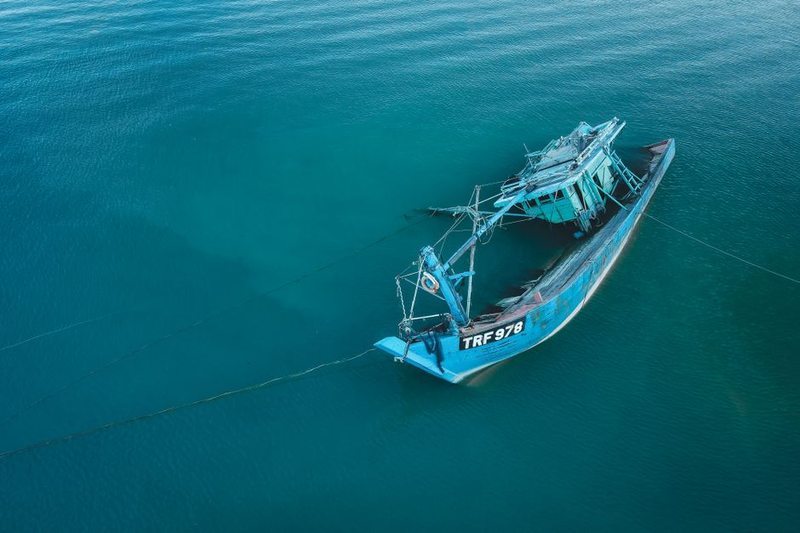
An editorial look at a one-person project exploring sunken ships, told through minimal dialogue and environmental storytelling rather than exposition.
A working shortlist from our coverage of underwater exploration and eerie atmosphere games
A submarine survival title where crew mismanagement and hull breaches create tension as memorable as any scripted horror sequence.
A minimalist descent into a blood-colored ocean on a dead moon, notable for building dread almost entirely through restriction and static visuals.
A well-known anchor for the genre, blending open exploration with escalating unease as players venture into deeper, darker biomes.
An older title worth revisiting for how its alien-ocean sequences unsettled players long before 'atmospheric horror' was a genre label.
A narrative-driven diving game using solitude and muted color palettes to explore grief alongside its underwater setting.
A text-heavy, map-driven voyage through subterranean waters, chosen for how it builds dread through prose and uncertainty rather than visuals.